A property video gives prospective buyers a moving view of a listing: how rooms connect, how daylight enters, and which details merit a closer look. For agents, the production process begins well before the camera starts rolling. A clear brief, a prepared property, and a distribution plan help make the final video more useful across listing pages and social channels.
No video can guarantee a faster sale. Pricing, condition, location, market demand, and negotiation all matter. Real estate videography is best treated as a tool for presenting a property and encouraging qualified interest, not as a promise about a closing date.
1. Set the purpose before the shoot
Start with the listing’s most relevant, verified features. These might include an open-plan layout, natural light, a renovated kitchen, outdoor space, storage, or building amenities. Identify the intended audience and where the video will appear: a listing page, brokerage website, YouTube, Instagram Reels, TikTok, or another channel.
Then agree on deliverables. A production brief may specify:
- A horizontal property walkthrough
- Vertical social-media cutdowns
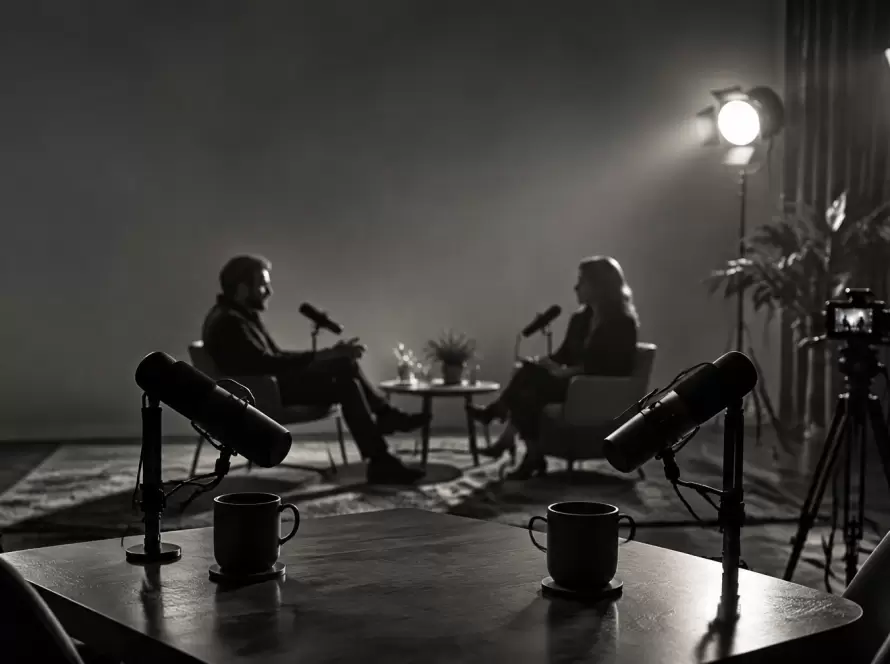
- Optional agent introduction or narration
- Drone coverage, if suitable and permitted
- Captions, a thumbnail, and branded or unbranded versions
- Delivery timing, revision limits, and usage rights
This brief is also where the agent and production team can confirm property facts, seller permissions, and any brokerage or MLS requirements. A concise plan reduces last-minute decisions and helps keep the shoot focused.
Production principle: The most useful shot list follows the property’s real layout. It should orient viewers, show how spaces connect, and highlight features without implying that rooms or views are different from what a buyer would encounter in person.
2. Build a walkthrough that feels clear and natural
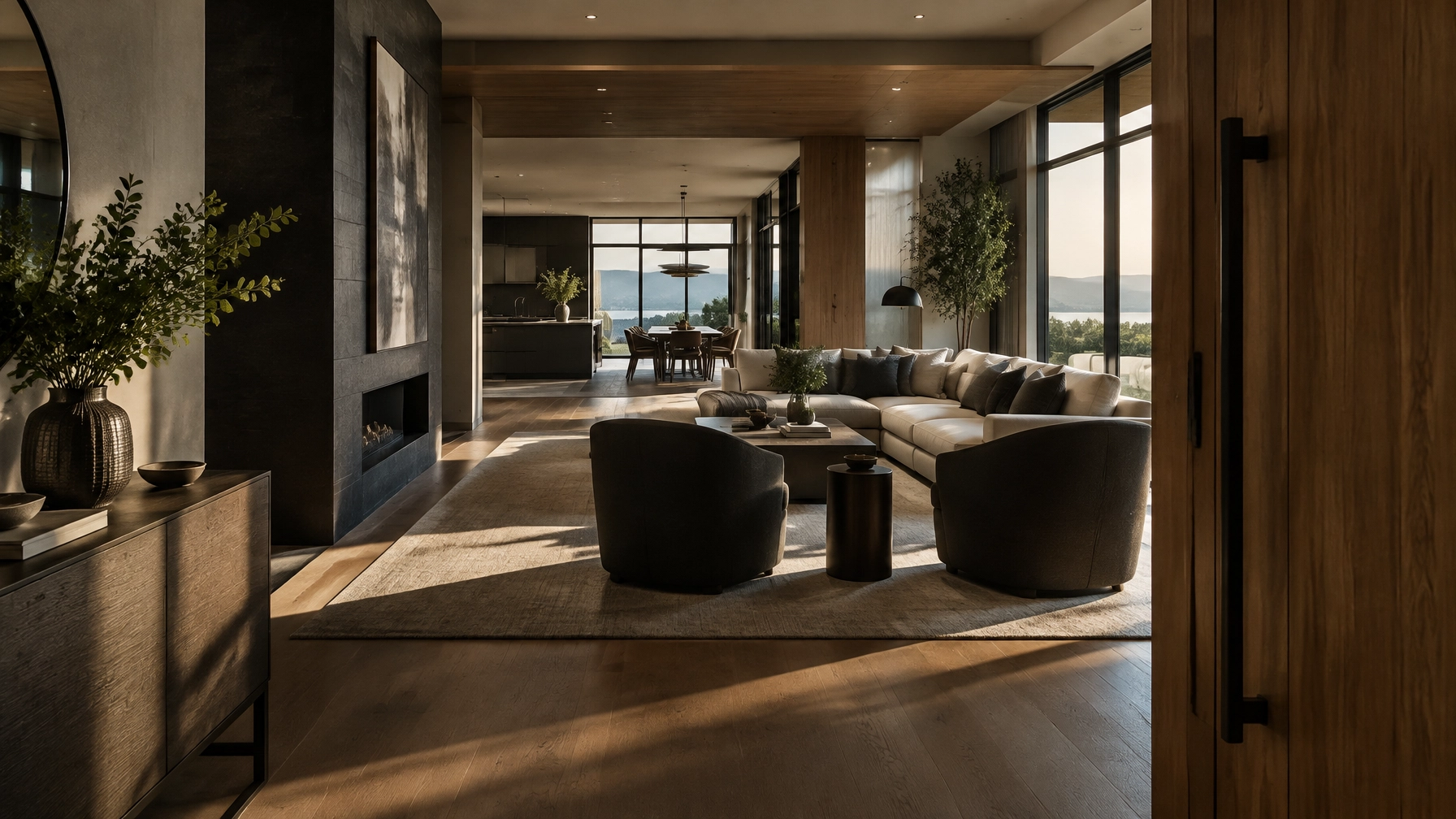
A cinematic walkthrough is not simply a sequence of attractive rooms. Its movement should help viewers understand the home. A typical sequence begins with an exterior establishing shot, continues through the entry and main living areas, and finishes with notable details, outdoor spaces, or amenities.
A stabilized camera or gimbal can keep movement smooth. Controlled pans and measured transitions generally communicate a room more clearly than fast turns or constant motion. Wide lenses can be useful in interiors, but excessive distortion may misrepresent proportions. Straight architectural lines and a consistent sense of scale matter.
The edit can open with a compelling view, then move through the home in a logical order. On-screen labels or narration may explain verified features; captions help make the video understandable when it plays without sound. A short closing frame can identify the agent or direct viewers to the listing.
A listing video should add movement and spatial context to the marketing package. A listing video is most effective when its images, movement, and message serve the same purpose.

3. Use aerial footage with a clear purpose
Aerial coverage can establish the property’s setting, show the relationship between the home and its outdoor areas, and provide useful context for a large lot or distinctive building. It is most effective when it answers a buyer’s question, not merely because a drone is available.
Commercial drone operations have specific requirements. The FAA’s Part 107 rules explain the framework for small unmanned aircraft used for business purposes. Before scheduling aerial shots, the operator should check current airspace restrictions, required authorizations, weather, and the safe feasibility of the planned flight. Permission to film on a property does not, by itself, authorize a flight in restricted airspace.
For context, the National Association of REALTORS® 2025 Technology Survey reported that 75% of responding REALTORS® used drone photography or video. That figure describes reported adoption; it does not show that drone footage alone causes a faster sale.

4. Plan vertical versions during production
A horizontal walkthrough may suit a listing page or YouTube, while vertical edits can be designed for Reels and TikTok. These formats should be considered before filming. Simply cropping a horizontal master can cut off a room’s key feature or leave the composition awkwardly framed.
A production plan might include several short edits, each with one purpose:
- A brief visual hook featuring a standout room or detail
- A room-by-room teaser with readable captions
- An agent-led clip answering one property-specific question
- A short exterior or amenity sequence
The opening moments should make the subject clear. Keep on-screen text concise and away from platform interface areas. Use music and other media only when the necessary usage rights are in place. One export may not be appropriate for every channel, so confirm aspect ratios, captioning, branding, and delivery formats in advance.
5. Prepare the property and people
The finished video depends partly on decisions made before the crew arrives. Agents can send the seller a preparation checklist and confirm access, parking, timing, and any areas that should not be filmed.
Before the shoot:
- Declutter counters and open walkways; complete cleaning and planned repairs.
- Remove personal documents, valuables, and sensitive identifying information from view.
- Coordinate pets and occupants, and decide whether vehicles should remain in the frame.
- Turn on practical lights and check that bulbs have a consistent color.
- Open blinds where appropriate and clean mirrors, windows, and reflective surfaces.
- Confirm which features and property facts may be described or shown.
Staging should support accurate presentation, not conceal material conditions or create an unrealistic impression. Agents should also verify that any claims about improvements, amenities, or nearby destinations are correct.

6. Understand the difference between video and listing photos
Property listing photos provide a set of still views that buyers can browse at their own pace. Video adds movement and sequence: it can show a route through the home, the transition between rooms, or a view changing as the camera moves. The two formats are complementary.
Real estate photography remains important for presenting individual rooms and features in a clear, easily scanned gallery. Videography can provide a broader sense of flow and support social distribution. The right balance depends on the property, the marketing plan, and the agent's intended audience. A video does not replace the need for accurate, well-composed property listing photos.
7. Ask the right questions about pricing
There is no single real estate videography price that applies to every listing. A quote depends on the work involved and the agreed deliverables. Instead of comparing prices by runtime alone, agents can ask what each package includes:
- How much filming time and how many locations are included?
- Are drone coverage, vertical cutdowns, captions, or narration included?
- How many final edits and revisions will be delivered?
- What is the expected turnaround, and is rush delivery available?
- Are music, paid-ad usage, and branded or unbranded exports covered?
- What happens if weather prevents an aerial shoot or the property is not ready?
A single horizontal walkthrough is a different scope from a package that includes pre-production, aerial coverage, multiple social edits, captions, and several delivery versions. Clear written terms help avoid surprises.
8. Evaluate the marketing, not just the view count
After publication, track more than plays. Depending on platform access, an agent may review video completion, saves, shares, listing-page activity, inquiries, and showing requests. These measures can help identify which openings, formats, or property features earn attention.
Interpret results with care. A listing's price, condition, market period, and distribution all influence performance, so a strong view count cannot establish that video caused a quicker sale. Over time, agents can compare similar listings and refine their approach using observed results.
For a coordinated production workflow, Modish Visuals offers video production and aerial capture among its services. To discuss a listing, deliverables, and timing, contact Modish Visuals for a consultation.